
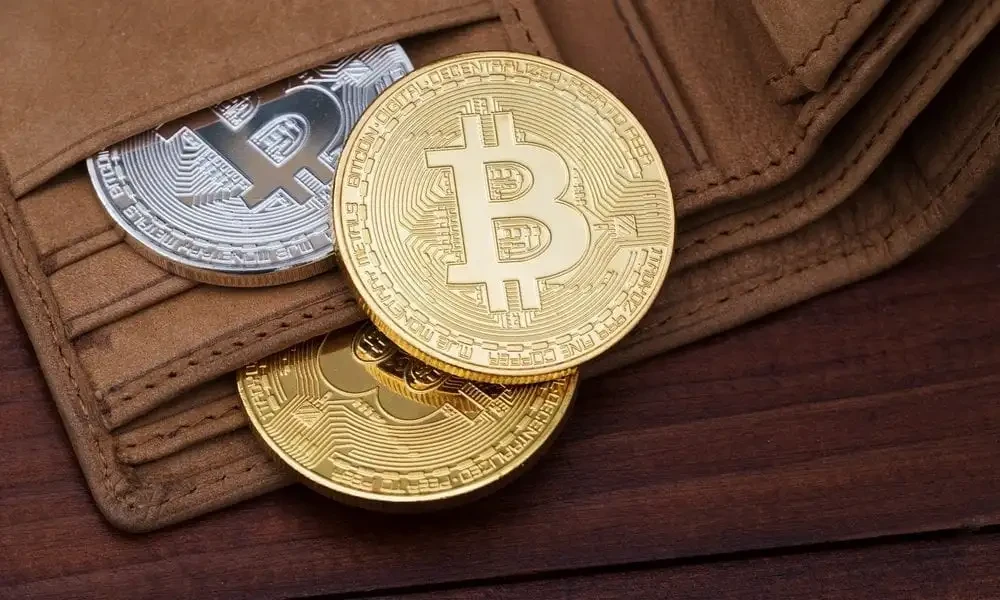

You hold crypto for investing, trading, or maybe just because you believe in it. Spending it on everyday things still feels like an edge case most merchants haven’t caught up to.
That gap between holding crypto and actually using it is exactly why crypto postage exists, and exactly why more people are searching for it every month. Shipping is one of the few truly recurring costs most people and businesses already pay regularly, which makes it a natural place for crypto to start replacing cards instead of just sitting in a wallet.
Here’s what crypto postage actually is, how the coin choice affects your experience, and why the trend behind it is bigger than shipping alone.
What Crypto Postage Actually Means
Crypto postage is the practice of paying for shipping labels – USPS, Canada Post, and other carriers – using cryptocurrency instead of a card or bank transfer. A third-party platform buys the actual postage on your behalf using its commercial carrier account, funded by the crypto payment you send.
The label you get back is a real, carrier-issued label with standard tracking, valid at any drop-off point or pickup that accepts that carrier. Crypto postage isn’t a separate shipping network – it’s a different way to pay for the same shipping infrastructure everyone already uses.
Choosing a Coin Isn’t One-Size-Fits-All
Not every cryptocurrency behaves the same way at checkout, and the difference matters more than most guides admit. Transaction fees and confirmation times vary significantly between coins, which changes how quickly your label actually generates.
Bitcoin carries higher, more variable transaction fees and confirms in around ten minutes, which makes it a solid choice for international or high-value shipments where reliability matters more than speed. Bitcoin Cash sits at the other end – fees are very low and confirmations often land within seconds to a couple minutes, which suits frequent, low-cost domestic shipments better than Bitcoin does.
Litecoin lands in the middle: low fees, a confirmation time of a few minutes, and enough general-purpose reliability to work well for everyday use. Monero runs at a similar speed with low to moderate fees, and it’s the right pick when payment privacy matters more than shaving off a minute or two of confirmation time.
If you’re printing one label for an occasional package, the difference between a two-minute and ten-minute confirmation barely matters. If you’re a seller printing dozens of labels a day, a faster-confirming coin saves real, cumulative time across a workday.
Why This Is Growing Faster Than People Expect
Crypto postage isn’t growing in isolation – it’s riding a much larger wave of everyday crypto spending. A January 2026 PayPal survey found that half of companies with revenue above $500 million have adopted cryptocurrency payments, compared to roughly a third of small and midsize businesses, showing the trend is no longer limited to large enterprises experimenting at the margins.
Demand is also generational. Surveys show a strong majority of both Millennials and Gen Z consumers actively want to use digital currencies for real purchases, not just hold them as investments. That shift toward everyday spending is exactly the behavior crypto postage is built around – it turns an investment asset into something you actually use for a task you were already going to pay for anyway.
Individuals vs. Businesses Use It Differently
A one-time shipper wants speed and simplicity: enter details, pay, print. A business shipping dozens or hundreds of packages a week needs something that scales – bulk order upload, consistent commercial rates, and a payment method that doesn’t add friction to an already busy fulfillment process.
Crypto postage platforms increasingly serve both without forcing either group into the other’s workflow. Individual checkouts stay simple and account-free, while bulk CSV upload and integration options exist for sellers who need to generate many labels without repeating the same manual steps dozens of times over.
Businesses also benefit from consistent commercial rates that don’t fluctuate the way retail counter pricing sometimes does. Locking in predictable shipping costs matters more when you’re pricing products at scale than when you’re mailing a single package once a month.
What Doesn’t Change When You Pay With Crypto
Carriers themselves never see how you paid. USPS, Canada Post, and other major carriers scan the same barcode, apply the same delivery timelines, and offer the same tracking regardless of what currency funded the label.
This matters because it removes a common misconception – that crypto-purchased postage is somehow a lesser or unofficial version of a real label. It isn’t. The payment method changes at checkout; nothing about how the package moves through the carrier’s system changes at all.
Privacy Without Losing Legitimacy
One reason crypto postage appeals to people beyond convenience is privacy. Paying with a card means your name, billing address, and purchase history sit with a payment processor indefinitely. Paying with crypto typically requires only an email address, and only for tracking or refund purposes.
That privacy doesn’t come at the cost of legitimacy. The label is still fully valid, fully trackable, and fully compliant with the carrier’s own rules – you’re simply choosing to share less personal data to get there.
Where the Trend Goes From Here
Crypto payment infrastructure keeps expanding into retail, e-commerce, and now logistics, not because it’s trendy but because it solves a real friction point: converting an asset you hold into a purchase you need without routing it through a bank first. Shipping is one of the more obvious next steps because nearly everyone, individual or business, pays for it regularly.
As more platforms add crypto checkout options and more coins beyond Bitcoin become practical to spend quickly, expect crypto postage to stop being a niche feature and become just another payment option listed next to cards and PayPal – unremarkable, because it works.
Getting Started With Crypto Postage
You can try it directly from CryptoPostage – select a carrier, enter your package details, and pay with Bitcoin, Litecoin, Monero, or another supported cryptocurrency to get an instant label.
If you’re shipping in volume and want to skip entering each shipment by hand, the CSV import guide shows the exact format needed to generate multiple labels from a single upload.

