
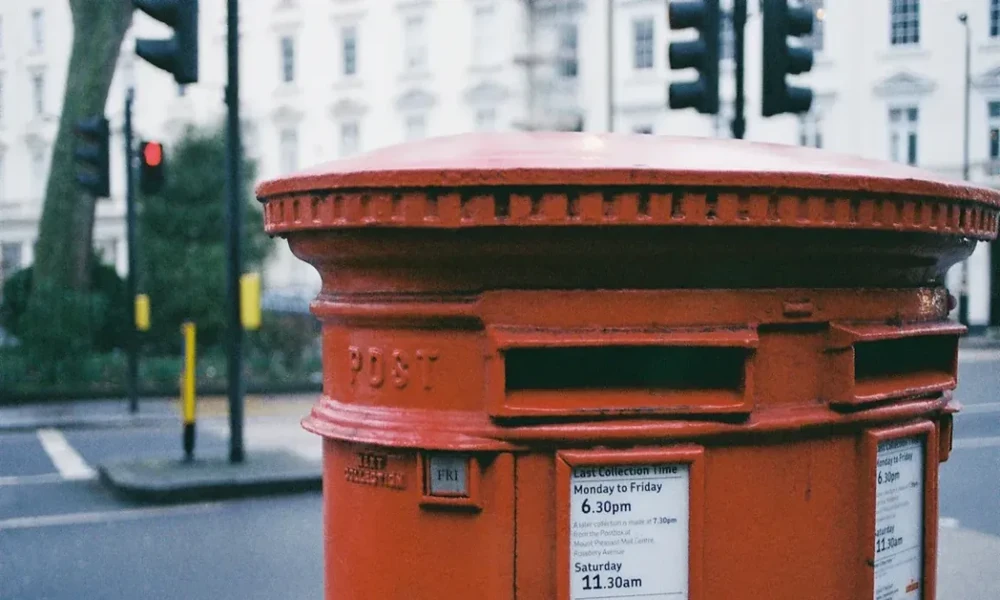

A parcel can have a complete address yet still face delays when its postal code is entered incorrectly. ZIP code formats help businesses organize addresses before sending goods across borders. Some use numbers alone, while others include letters or spaces.
Knowing these differences makes address entry more reliable. It also helps staff spot missing details early, before a shipping label is printed. Businesses handling international shipments can benefit from understanding zip code 香港 to ensure accurate address entry and smoother parcel delivery.
Understanding Postal Code Formats
Postal codes may look similar at first, but their structure varies by country. Some contain five digits, while others combine letters and numbers. These characters are not random. They help postal authorities sort mail by area and direct it toward the correct delivery point.
A code that looks unusual may still be correct for its destination. Staff need to check the rules that apply to the recipient’s country rather than changing the code to match a familiar pattern.
Identifying Address Components
A complete address contains several details that work together. The recipient’s name identifies who should receive the parcel. Street information points to the property, while the postal code helps narrow down its delivery area.
Common address details include:
- Recipient names identify the intended person receiving the parcel.
- Building numbers distinguish properties along the same street.
- Street names help carriers locate the correct address.
- Postal codes identify the relevant delivery area.
- Country names establish the parcel’s intended destination.
Managing Country-Specific Requirements
Postal code rules come from each country’s postal authority. Some codes identify broad areas, while others point to smaller delivery zones. Businesses that handle international orders need to understand these differences before preparing labels.
Even small details can matter. A space or letter may be part of the accepted format. Removing it during data entry can change the code or make it harder to verify. For businesses handling zip code 香港 information, preserving the correct format helps maintain accurate shipping records and supports reliable international deliveries.
Improving Address Data Accuracy
Address checks work best when they consider the full recipient details, not just the postal code. A code may follow the correct pattern yet belong to a different area. Comparing it with the street address helps reveal this kind of mismatch.
Some order systems can flag missing digits or unexpected characters. These checks are useful, but they cannot confirm every address. Staff should still review details against reliable postal references when needed.
A practical review may include:
- Check the code length against destination requirements.
- Confirm recipient names before preparing shipping labels.
- Compare street details with the supplied postal code.
- Preserve spaces and letters required by local formats.
- Review the complete address before releasing documents.
Making these checks part of routine work helps catch errors earlier. It also gives employees a shared process to follow when preparing international orders.
Organizing Shipping Records
Address records become easier to manage when each detail has its own field. Keeping postal codes separate from street names and country information helps staff find the right entry quickly. It also reduces confusion when records move between order systems and carrier documents.
Businesses can keep a reference list for destinations they regularly ship to. The list might include accepted code patterns and examples of correctly arranged addresses. Staff can use it when entering new details or checking an unfamiliar format.
Accurate address management starts with clear records and careful checks. Businesses can improve delivery accuracy by matching postal codes with complete recipient details. Staff training helps maintain consistent practices across different destinations. A well-organized process makes shipment preparation more dependable. When companies follow the postal rules that apply to each destination, they can reduce avoidable address errors and support more reliable international delivery.
FAQ
What purpose does a postal code serve during international shipping?
It identifies delivery areas and helps postal services sort parcels.
Why do postal code formats differ between countries?
Each national postal authority establishes its own addressing standards.
Can an incorrect postal code affect delivery accuracy?
Yes, incorrect codes may direct parcels toward unintended delivery areas.

