
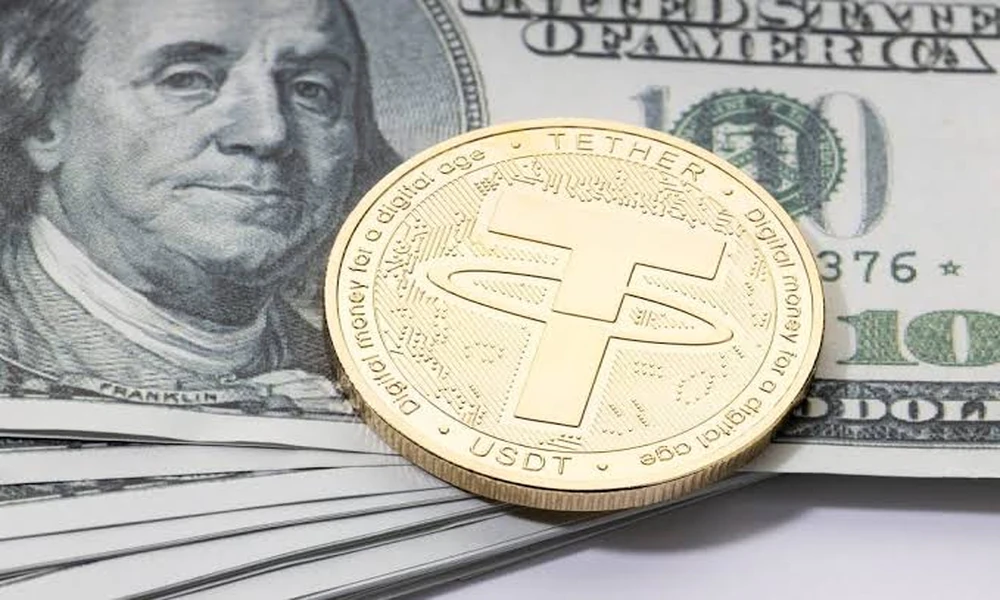

USDT, or Tether, is the most widely traded stablecoin in the world. It plays a central role in crypto trading for millions of users globally, including Indian traders. This guide explains what USDT is and why it matters.
What is USDT?
USDT is a stablecoin issued by Tether Operations Limited. It is designed to maintain a 1:1 peg with the US Dollar. Each USDT token is intended to be backed by an equivalent amount of reserves (cash, short-term securities, or other assets held by Tether).
USDT exists on multiple blockchains including:
- Tron (TRC-20) – most commonly used for transfers due to low fees
- Ethereum (ERC-20) – widely used in DeFi
- Solana, BNB Smart Chain, Polygon, and others
Because it is pegged to the US Dollar, USDT does not experience the dramatic price swings typical of Bitcoin or Ethereum.
Why Do Indian Traders Use USDT?
Parking value between trades: Indian traders buy USDT to hold their portfolio value in a stable asset without converting back to INR. This avoids the 1% TDS that may apply on each INR transaction while allowing re-entry into other cryptocurrencies.
Access to crypto pairs: Most major crypto exchanges globally offer crypto/USDT trading pairs. USDT allows Indian users to access a wider range of tokens.
Dollar exposure: Holding USDT gives Indian investors indirect exposure to USD without the complexity of foreign currency accounts.
Lower fees on transfers: Transferring USDT (especially on Tron/TRC-20) is faster and cheaper than traditional bank transfers.
DeFi access: USDT is widely used in decentralised finance protocols for lending, liquidity provision, and yield generation.
How is USDT Different from Other Stablecoins?
| Stablecoin | Backing | Issuer |
|---|---|---|
| USDT | Cash, bonds, and other assets | Tether Limited |
| USDC | Cash and short-term US Treasuries | Circle/Coinbase |
| DAI | Crypto collateral (over-collateralised) | MakerDAO (decentralised) |
| USDS | Cash and equivalents | Sky Protocol |
USDT has the highest trading volume globally but has also faced more scrutiny over the quality and transparency of its reserves.
USDT and Indian Tax Rules
USDT is classified as a Virtual Digital Asset (VDA) in India, similar to Bitcoin and other cryptos. This means:
- Converting USDT to INR at a gain is taxable at 30%
- Using USDT to buy another crypto and that crypto appreciates – the gain on the eventual sale is taxed at 30%
- 1% TDS applies on qualifying USDT transactions
- Holding USDT itself does not trigger a tax event
Consult a qualified tax professional for your specific situation. Tax rules are subject to change.
Risks of Holding USDT
Reserve transparency: Tether has historically faced questions about whether its reserves fully back all outstanding USDT. While they publish regular attestations, full independent audits have not always been provided.
Regulatory risk: Stablecoins face increasing regulatory attention globally and in India. Changes in regulation could affect how USDT can be used or held.
De-peg risk: While rare for USDT, stablecoins can temporarily or permanently lose their peg. This happened to TerraUSD (UST) in 2022, resulting in near-complete loss of value.
Counterparty risk: Unlike cash held in a bank, USDT held on an exchange or in a wallet has no deposit insurance.
Inflation: Holding USD-pegged assets means you are exposed to US dollar inflation over time.
How to Buy USDT on ZebPay
- Download ZebPay and complete KYC
- Deposit INR
- Search for USDT in the Markets section
- Buy via Quick Trade (minimum ₹100)
Frequently Asked Questions About USDT in India
Is USDT safe to hold?
USDT is relatively stable in price compared to other cryptos. However, it carries reserve and regulatory risks. Do not treat it as equivalent to cash in a bank account.
Does holding USDT attract tax in India?
Merely holding USDT does not trigger a tax event. Tax arises when you dispose of USDT (sell for INR or exchange for another crypto).
Can I earn interest on USDT?
Some platforms offer yield products on USDT. Check ZebPay’s Earn section for any available USDT yield products. Always review terms and risks before committing.
What is TRC-20 USDT?
TRC-20 is the USDT version that runs on the Tron blockchain. It has very low transaction fees and fast confirmation times, making it popular for transfers.
Is USDT better than USDC?
Both are major stablecoins. USDT has higher trading volume; USDC has historically offered more transparent reserve reporting. Both carry similar general risks.
What is the minimum to buy USDT on ZebPay?
₹100.
Is USDT the same as USD?
No. USDT is a crypto token that aims to track the value of USD. It is not issued or guaranteed by the US government, the Federal Reserve, or any banking system.
Final Thoughts
USDT is an essential tool for crypto traders who want to move between positions without fully exiting the crypto ecosystem. For Indian traders, it also offers indirect dollar exposure and access to a wider range of crypto pairs.
Understand the associated risks – particularly around reserve backing and regulation – before holding significant amounts.
Get started today and join 6 million+ registered users exploring crypto investing on ZebPay!
Disclaimer: Crypto products and NFTs are unregulated and can be highly risky. There may be no regulatory recourse for any loss from such transactions. Each investor must do his/her own research or seek independent advice if necessary before initiating any transactions in crypto products and NFTs. The information in this article is for educational purposes only and does not constitute financial or investment advice.
What is USDT/Tether and Why Do Indian Traders Use It?

